


- Uncategorized
- July 7, 2025
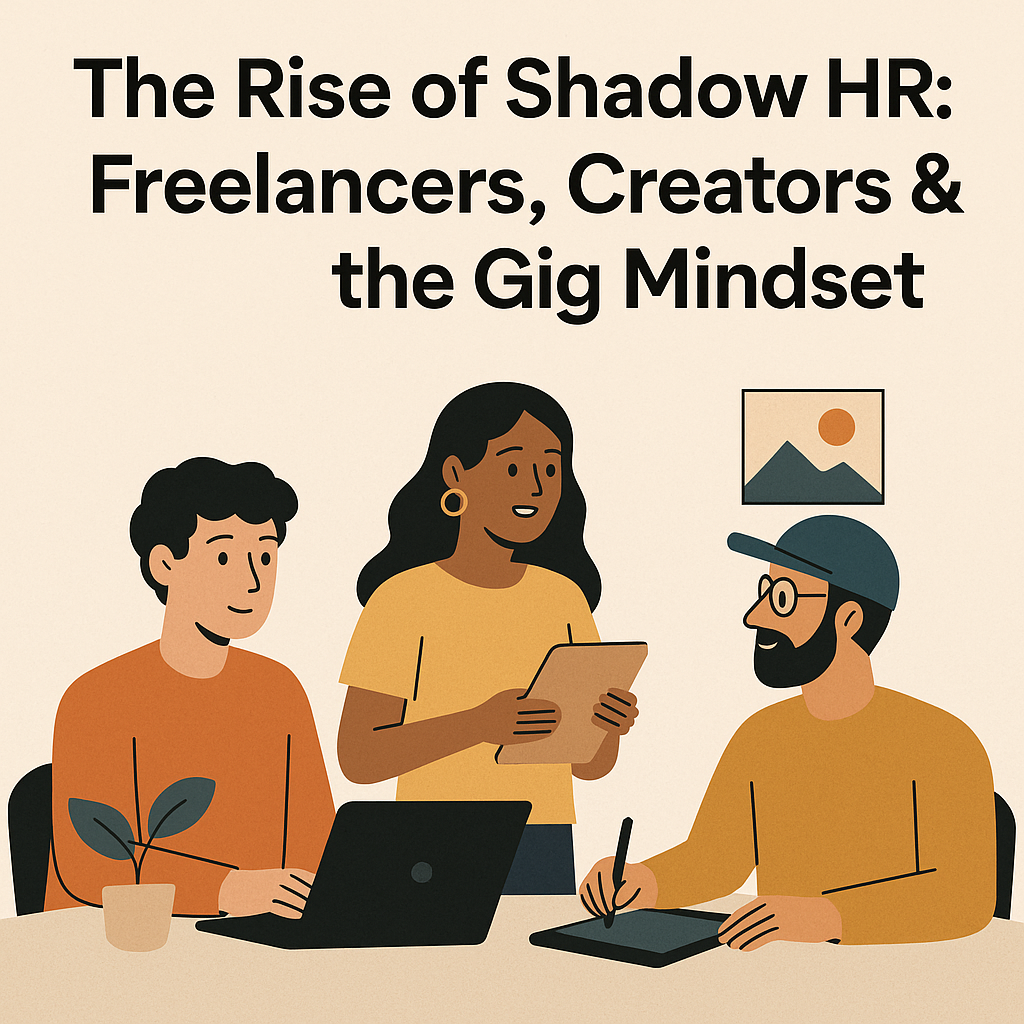
Not everyone shaping your workplace culture is on your payroll. In today’s decentralized, digital-first work world, a new form of influence is emerging Shadow HR. These are the freelancers, creators, consultants, and gig professionals who may not hold full-time roles but are deeply embedded in how your teams work, collaborate, and evolve.
The rise of remote work and project-based hiring has expanded HR’s scope beyond traditional boundaries. From freelance designers to contract developers and even influencers managing branded content these professionals contribute to your output and impact your employer brand, yet often remain outside formal HR structures.
HR must now reimagine its role to include these shadow contributors. Are they given access to onboarding essentials? Do they understand your values? Is feedback two-way? Without intentional integration, companies risk alienating key contributors or worse, creating two classes of workers: insiders and outsiders.
Adopting the gig mindset means building systems that honor flexibility without losing community. It’s about making freelancers feel like partners, not just plug-ins. It means offering clarity, fair treatment, recognition, and access to support—even if someone logs in just twice a week.
As work continues to unbundle from traditional employment, HR isn’t shrinking it’s expanding. And those who embrace the shadow side now will build brighter, more adaptable cultures for the future.
- Uncategorized
- July 7, 2025
Not everyone shaping your workplace culture is on your payroll. In today’s decentralized, digital-first work world, a new form of influence is emerging Shadow HR. These are the freelancers, creators, consultants, and gig professionals who may not hold full-time roles but are deeply embedded in how your teams work, collaborate, and evolve.
The rise of remote work and project-based hiring has expanded HR’s scope beyond traditional boundaries. From freelance designers to contract developers and even influencers managing branded content these professionals contribute to your output and impact your employer brand, yet often remain outside formal HR structures.
HR must now reimagine its role to include these shadow contributors. Are they given access to onboarding essentials? Do they understand your values? Is feedback two-way? Without intentional integration, companies risk alienating key contributors or worse, creating two classes of workers: insiders and outsiders.
Adopting the gig mindset means building systems that honor flexibility without losing community. It’s about making freelancers feel like partners, not just plug-ins. It means offering clarity, fair treatment, recognition, and access to support—even if someone logs in just twice a week.
As work continues to unbundle from traditional employment, HR isn’t shrinking it’s expanding. And those who embrace the shadow side now will build brighter, more adaptable cultures for the future.