


While most companies are still figuring out how to manage Gen Z, a new generation is quietly making its way toward the workforce—Gen Alpha, born from 2010 onward. By the time they enter internships or part-time roles in the late 2020s, today’s HR policies might already feel outdated. So the big question is: Is your HR policy future-proof for Gen Alpha?
Unlike previous generations, Gen Alpha will grow up in a world where artificial intelligence is as normal as electricity, where remote learning is common, and where digital fluency is second nature from toddlerhood. This generation will expect instant feedback, hyper-personalized experiences, and work environments that adapt to their needs—not the other way around.
For HR teams, this means a complete rethink of traditional norms. Annual performance reviews? Too slow. Rigid 9-to-5 schedules? Outdated. One-size-fits-all training programs? Ineffective. Gen Alpha will demand continuous learning, mental health integration, and meaningful work aligned with their values, especially around climate action and inclusivity.
HR will need to build policies that are tech-integrated, emotionally intelligent, flexible, and deeply focused on purpose and personalization. Think gamified onboarding, AI-driven development plans, and wellness benefits that go beyond gym memberships. Most importantly, Gen Alpha will expect companies to treat them as partners, not just employees.
Preparing now means being ahead of the curve. Start with asking: “If a 16-year-old Gen Alpha intern joined our company tomorrow, would our culture excite them—or bore them?” Because the next generation isn’t just coming. They’re already watching.
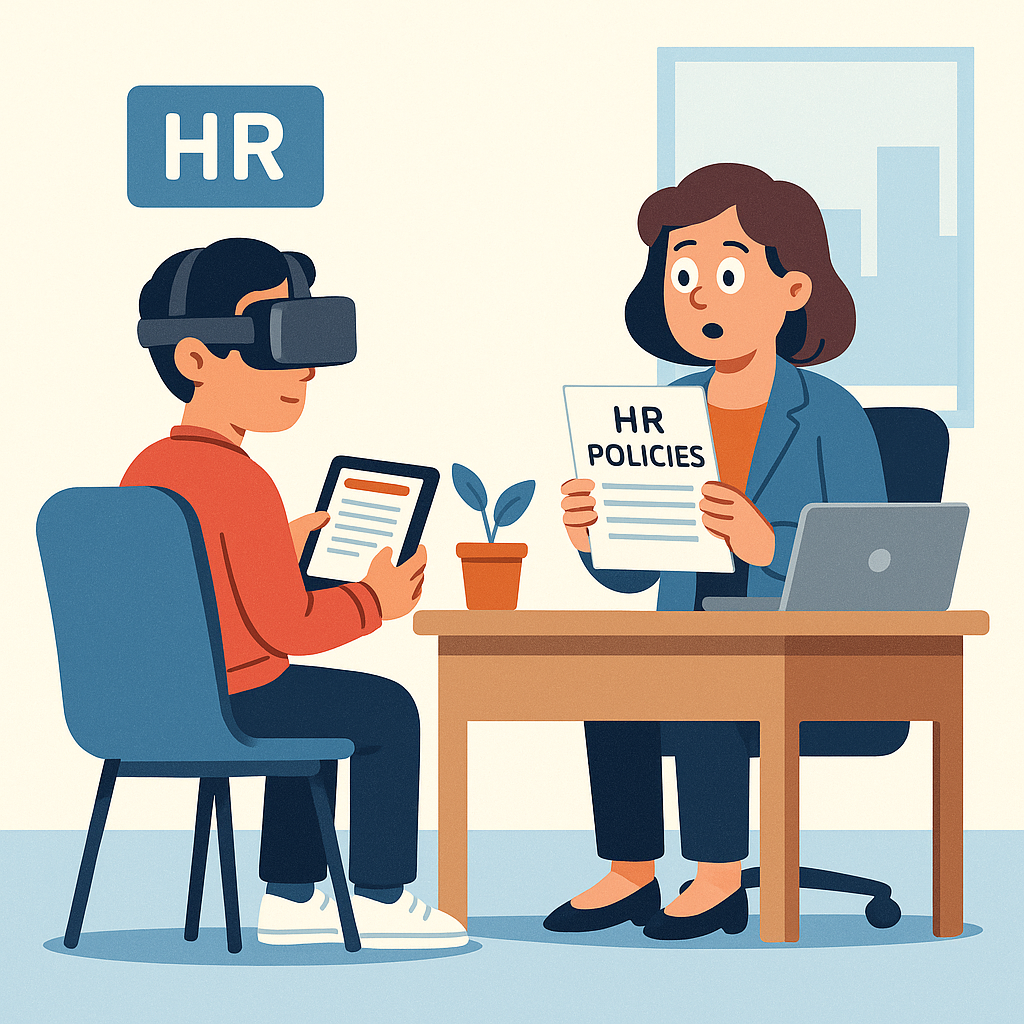
While most companies are still figuring out how to manage Gen Z, a new generation is quietly making its way toward the workforce—Gen Alpha, born from 2010 onward. By the time they enter internships or part-time roles in the late 2020s, today’s HR policies might already feel outdated. So the big question is: Is your HR policy future-proof for Gen Alpha?
Unlike previous generations, Gen Alpha will grow up in a world where artificial intelligence is as normal as electricity, where remote learning is common, and where digital fluency is second nature from toddlerhood. This generation will expect instant feedback, hyper-personalized experiences, and work environments that adapt to their needs—not the other way around.
For HR teams, this means a complete rethink of traditional norms. Annual performance reviews? Too slow. Rigid 9-to-5 schedules? Outdated. One-size-fits-all training programs? Ineffective. Gen Alpha will demand continuous learning, mental health integration, and meaningful work aligned with their values, especially around climate action and inclusivity.
HR will need to build policies that are tech-integrated, emotionally intelligent, flexible, and deeply focused on purpose and personalization. Think gamified onboarding, AI-driven development plans, and wellness benefits that go beyond gym memberships. Most importantly, Gen Alpha will expect companies to treat them as partners, not just employees.
Preparing now means being ahead of the curve. Start with asking: “If a 16-year-old Gen Alpha intern joined our company tomorrow, would our culture excite them—or bore them?” Because the next generation isn’t just coming. They’re already watching.