


Remote work has given employees flexibility, but it has also brought challenges most notably, isolation and disengagement. Without the casual interactions of an office, many remote workers miss the sense of community and shared energy. Enter virtual coworking spaces digital platforms designed to replicate the feel of working alongside others, even from miles apart. But are they the future of remote engagement?
Virtual coworking spaces create opportunities for employees to log in, share goals, and work “side by side” with colleagues in real-time. Some platforms even include breakout rooms for collaboration, social lounges for informal chats, and focus rooms for quiet work. The result is a more humanized remote experience one that goes beyond Zoom calls and email threads.
For HR, these spaces offer a new way to strengthen culture in distributed teams. By fostering daily interactions, they can recreate the camaraderie of an office while preserving the flexibility of remote work. However, success depends on balance. If overused, virtual coworking can feel like surveillance or add to meeting fatigue. The key is to design them as optional, supportive hubs rather than mandatory spaces.
The future of remote work won’t be about simply working from home it will be about working together, virtually. By embracing virtual coworking spaces thoughtfully, HR can help employees feel connected, engaged, and part of a shared journey no matter where they log in from.
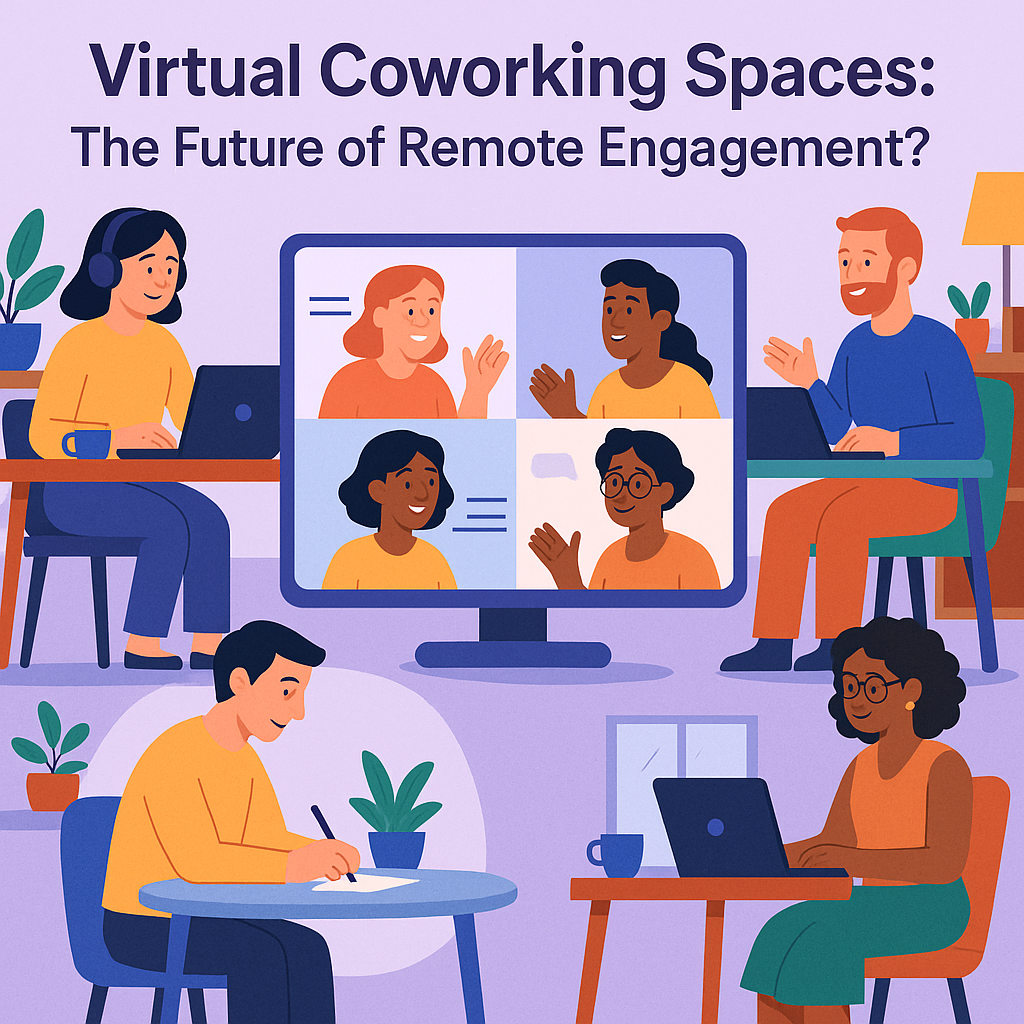
Remote work has given employees flexibility, but it has also brought challenges most notably, isolation and disengagement. Without the casual interactions of an office, many remote workers miss the sense of community and shared energy. Enter virtual coworking spaces digital platforms designed to replicate the feel of working alongside others, even from miles apart. But are they the future of remote engagement?
Virtual coworking spaces create opportunities for employees to log in, share goals, and work “side by side” with colleagues in real-time. Some platforms even include breakout rooms for collaboration, social lounges for informal chats, and focus rooms for quiet work. The result is a more humanized remote experience one that goes beyond Zoom calls and email threads.
For HR, these spaces offer a new way to strengthen culture in distributed teams. By fostering daily interactions, they can recreate the camaraderie of an office while preserving the flexibility of remote work. However, success depends on balance. If overused, virtual coworking can feel like surveillance or add to meeting fatigue. The key is to design them as optional, supportive hubs rather than mandatory spaces.
The future of remote work won’t be about simply working from home it will be about working together, virtually. By embracing virtual coworking spaces thoughtfully, HR can help employees feel connected, engaged, and part of a shared journey no matter where they log in from.