


In the modern workplace, HR has evolved from a purely people-focused function to a data powered strategic partner. With the rise of HR tech, analytics tools can now track everything from recruitment funnel performance to employee engagement scores. This shift has given HR leaders the ability to make more informed, evidence based decisions whether it’s predicting turnover or identifying skill gaps.
But with great data comes a great responsibility: not losing the human touch. Metrics can highlight trends, but they can’t fully capture the complexities of people’s motivations, challenges, and emotions. Over reliance on analytics risks reducing employees to numbers, leading to decisions that may be efficient on paper but damaging in practice.
Balancing analytics with humanity means using data as a guide, not a substitute for empathy. HR professionals need to blend insights from dashboards with real conversations, active listening, and cultural awareness. Data should open the door for deeper understanding, not replace it.
Ultimately, the most successful HR departments are those that combine the precision of analytics with the warmth of human connection. Numbers can tell you what is happening but it’s people who can tell you why.
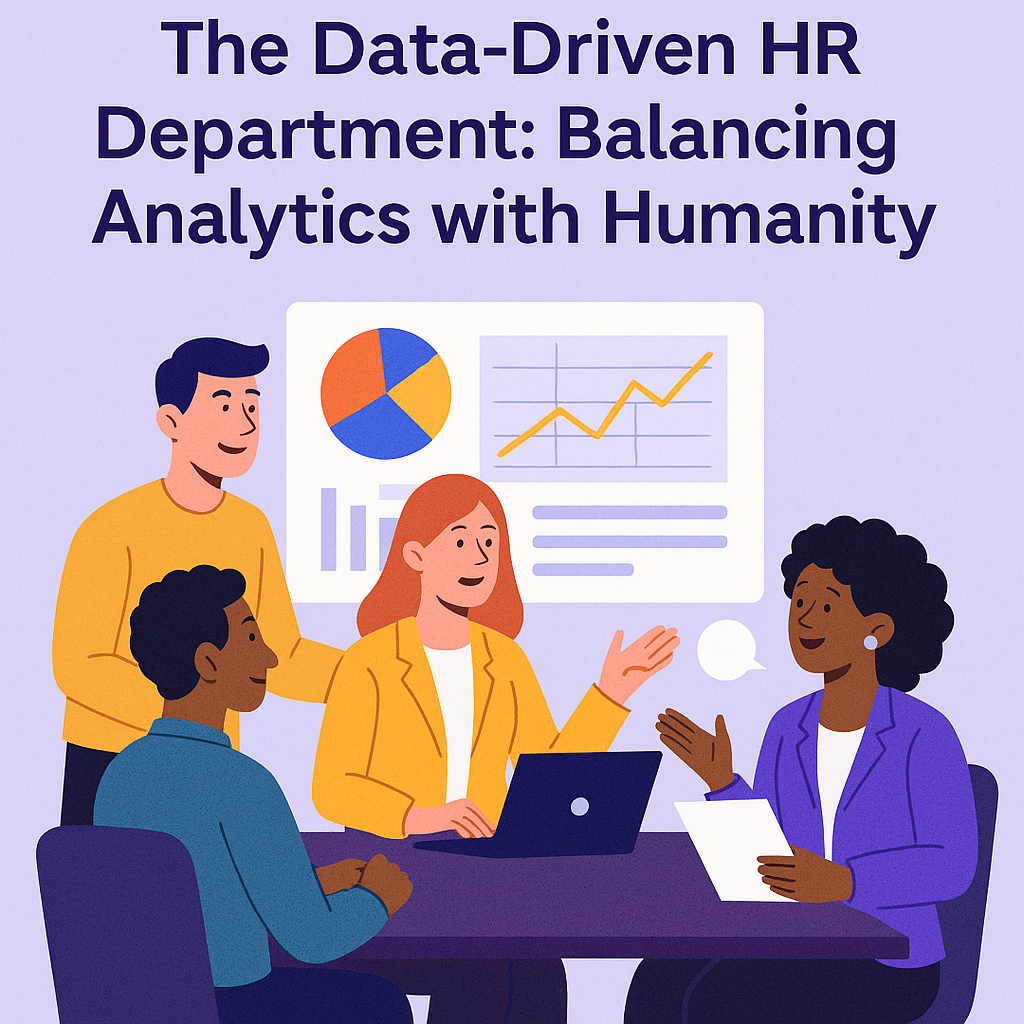
In the modern workplace, HR has evolved from a purely people-focused function to a data powered strategic partner. With the rise of HR tech, analytics tools can now track everything from recruitment funnel performance to employee engagement scores. This shift has given HR leaders the ability to make more informed, evidence based decisions whether it’s predicting turnover or identifying skill gaps.
But with great data comes a great responsibility: not losing the human touch. Metrics can highlight trends, but they can’t fully capture the complexities of people’s motivations, challenges, and emotions. Over reliance on analytics risks reducing employees to numbers, leading to decisions that may be efficient on paper but damaging in practice.
Balancing analytics with humanity means using data as a guide, not a substitute for empathy. HR professionals need to blend insights from dashboards with real conversations, active listening, and cultural awareness. Data should open the door for deeper understanding, not replace it.
Ultimately, the most successful HR departments are those that combine the precision of analytics with the warmth of human connection. Numbers can tell you what is happening but it’s people who can tell you why.