


The traditional idea of working continuously for decades and retiring at 60 is slowly becoming outdated. Enter micro retirements short, intentional breaks from work that allow employees to recharge, pursue passions, travel, or simply pause. Unlike sabbaticals reserved for senior professionals or academic roles, micro-retirements are flexible, accessible, and aligned with today’s workforce mindset, especially for Gen Z and millennials.
For HR leaders, this trend opens an important conversation: Can short breaks prevent long-term burnout? Employees are already leaving jobs for mental health reasons or lifestyle resets. Instead of waiting for a resignation letter, what if organizations offered structured, unpaid (or partially paid) micro retirement windows as part of retention plans? It’s a bold shift but one that values sustainability over sheer output.
Mini career breaks don’t just benefit employees they help organizations too. A refreshed employee returns with greater clarity, creativity, and loyalty. It shows that the company recognizes people as human beings, not just job titles. When HR bakes this kind of support into company culture, it builds psychological safety, reduces attrition, and positions the brand as a modern, people-first workplace.
As the future of work evolves, micro retirements might not be a trend they could become a necessity. And HR will be at the heart of making this balance possible.
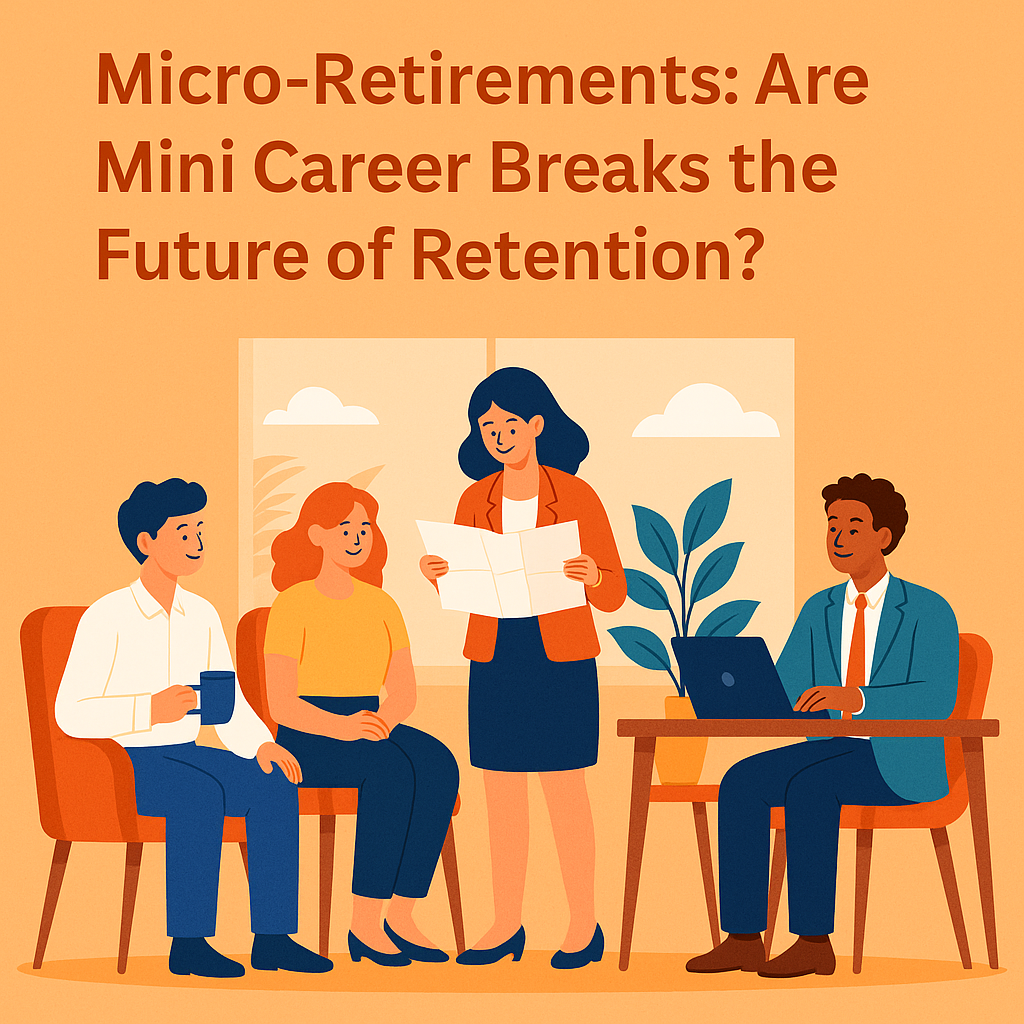
The traditional idea of working continuously for decades and retiring at 60 is slowly becoming outdated. Enter micro retirements short, intentional breaks from work that allow employees to recharge, pursue passions, travel, or simply pause. Unlike sabbaticals reserved for senior professionals or academic roles, micro-retirements are flexible, accessible, and aligned with today’s workforce mindset, especially for Gen Z and millennials.
For HR leaders, this trend opens an important conversation: Can short breaks prevent long-term burnout? Employees are already leaving jobs for mental health reasons or lifestyle resets. Instead of waiting for a resignation letter, what if organizations offered structured, unpaid (or partially paid) micro retirement windows as part of retention plans? It’s a bold shift but one that values sustainability over sheer output.
Mini career breaks don’t just benefit employees they help organizations too. A refreshed employee returns with greater clarity, creativity, and loyalty. It shows that the company recognizes people as human beings, not just job titles. When HR bakes this kind of support into company culture, it builds psychological safety, reduces attrition, and positions the brand as a modern, people-first workplace.
As the future of work evolves, micro retirements might not be a trend they could become a necessity. And HR will be at the heart of making this balance possible.