


An office desk is more than just a workstation it’s a psychological mirror. From coffee mugs and sticky notes to framed photos and figurines, the items employees place on their desks quietly reveal volumes about their personalities, work styles, and emotional states. For HR and team leaders, these subtle clues can help foster better communication, personalized engagement, and a healthier workplace culture. The science of “environmental psychology” suggests that the objects people surround themselves with are not random; they’re a form of identity expression and emotional grounding.
For instance, an employee with a tidy, minimalist desk may value structure, clarity, and focus. They likely prefer systems, deadlines, and clear roles. In contrast, a creatively cluttered workspace with sketches, inspirational quotes, or collectibles might belong to someone driven by imagination, lateral thinking, and spontaneous problem-solving. A desk filled with family photos, soft lighting, or plants may indicate someone who values emotional stability, warmth, and work-life balance.
These personal items also act as stress regulators. A stress ball, essential oils, or a fidget toy are subtle signs of someone managing internal pressure quietly. Even post it quotes or vision boards can signal goal oriented mindsets and resilience. When HR takes note of such details not in a judgmental way, but in a human-centric way it opens doors to more meaningful interactions. It allows managers to personalize feedback styles, choose the right motivators, and even identify early signs of burnout.
Moreover, allowing employees the freedom to personalize their workspace fosters a sense of belonging and psychological safety. It tells them, “You’re not just a number here. You’re a person with a story.” In return, employees tend to show higher engagement, stronger team bonds, and greater emotional investment in the company.
In conclusion, the office desk is more than furniture it’s a storytelling space. If HR wants to truly understand the people behind the roles, they should start by paying attention to the little things employees surround themselves with. Sometimes, the key to deeper workplace connections isn’t in data dashboards it’s right on the desk.
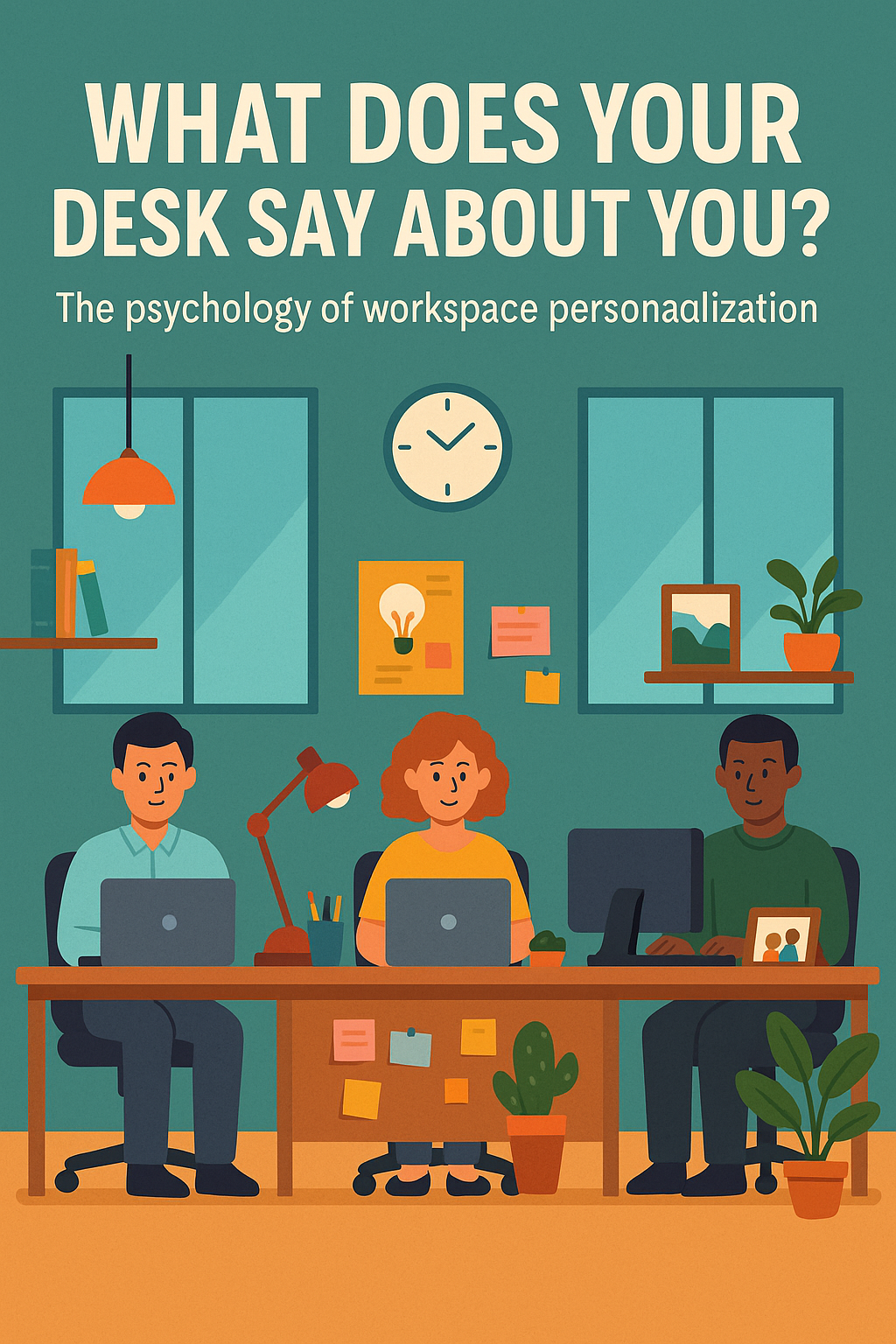
An office desk is more than just a workstation it’s a psychological mirror. From coffee mugs and sticky notes to framed photos and figurines, the items employees place on their desks quietly reveal volumes about their personalities, work styles, and emotional states. For HR and team leaders, these subtle clues can help foster better communication, personalized engagement, and a healthier workplace culture. The science of “environmental psychology” suggests that the objects people surround themselves with are not random; they’re a form of identity expression and emotional grounding.
For instance, an employee with a tidy, minimalist desk may value structure, clarity, and focus. They likely prefer systems, deadlines, and clear roles. In contrast, a creatively cluttered workspace with sketches, inspirational quotes, or collectibles might belong to someone driven by imagination, lateral thinking, and spontaneous problem-solving. A desk filled with family photos, soft lighting, or plants may indicate someone who values emotional stability, warmth, and work-life balance.
These personal items also act as stress regulators. A stress ball, essential oils, or a fidget toy are subtle signs of someone managing internal pressure quietly. Even post it quotes or vision boards can signal goal oriented mindsets and resilience. When HR takes note of such details not in a judgmental way, but in a human-centric way it opens doors to more meaningful interactions. It allows managers to personalize feedback styles, choose the right motivators, and even identify early signs of burnout.
Moreover, allowing employees the freedom to personalize their workspace fosters a sense of belonging and psychological safety. It tells them, “You’re not just a number here. You’re a person with a story.” In return, employees tend to show higher engagement, stronger team bonds, and greater emotional investment in the company.
In conclusion, the office desk is more than furniture it’s a storytelling space. If HR wants to truly understand the people behind the roles, they should start by paying attention to the little things employees surround themselves with. Sometimes, the key to deeper workplace connections isn’t in data dashboards it’s right on the desk.