


In most workplaces, “I’m fine” is the go-to response—short, polite, and easy to brush off. But beneath those two words can lie a spectrum of emotions: burnout, dissatisfaction, disengagement, or even mental health struggles. For HR, ignoring this phrase is a missed opportunity to support employees before the damage becomes visible.
When an employee consistently says “I’m fine” but shows signs of withdrawal—missing meetings, reduced performance, lack of enthusiasm, or detachment from team dynamics—it’s time to dig deeper. Often, employees don’t feel psychologically safe enough to express that they’re struggling. They fear judgment, losing opportunities, or being perceived as weak.
HR must actively create a culture where vulnerability is not punished but welcomed. That starts with empathetic listening, consistent check-ins that go beyond task updates, and training managers to spot emotional shifts, not just performance metrics. It’s also about normalizing conversations around mental well-being and removing the stigma around seeking help.
A team member saying “I’m fine” isn’t always fine. It’s a flag—a silent one. HR’s role is to notice the silence and respond with care, not complacency.
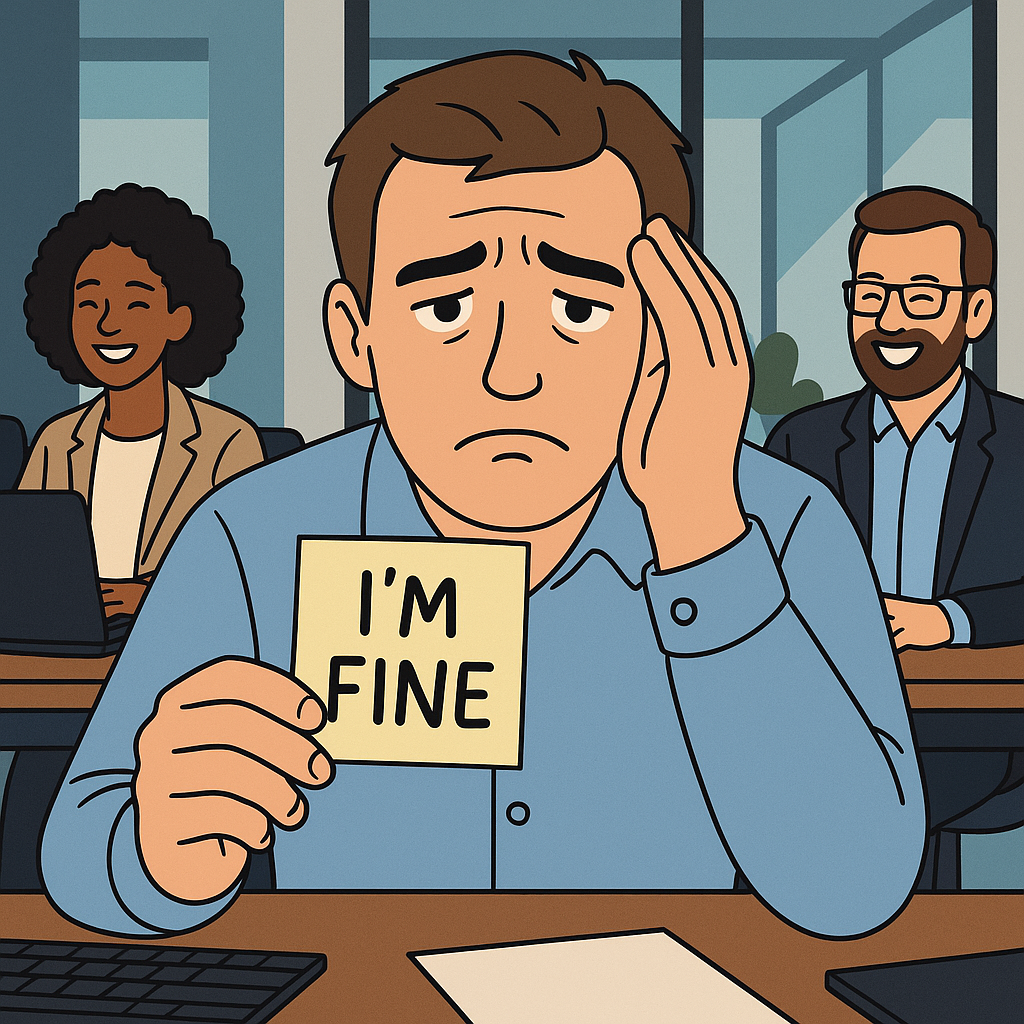
In most workplaces, “I’m fine” is the go-to response—short, polite, and easy to brush off. But beneath those two words can lie a spectrum of emotions: burnout, dissatisfaction, disengagement, or even mental health struggles. For HR, ignoring this phrase is a missed opportunity to support employees before the damage becomes visible.
When an employee consistently says “I’m fine” but shows signs of withdrawal—missing meetings, reduced performance, lack of enthusiasm, or detachment from team dynamics—it’s time to dig deeper. Often, employees don’t feel psychologically safe enough to express that they’re struggling. They fear judgment, losing opportunities, or being perceived as weak.
HR must actively create a culture where vulnerability is not punished but welcomed. That starts with empathetic listening, consistent check-ins that go beyond task updates, and training managers to spot emotional shifts, not just performance metrics. It’s also about normalizing conversations around mental well-being and removing the stigma around seeking help.
A team member saying “I’m fine” isn’t always fine. It’s a flag—a silent one. HR’s role is to notice the silence and respond with care, not complacency.