


Being called a “high performer” sounds like a badge of honor. It signals excellence, consistency, and reliability. But behind the applause often lies a quieter truth—many high performers silently carry the weight of unrealistic expectations, burnout, and emotional exhaustion.
When someone is consistently praised as the best, there’s an unspoken pressure to never falter. Even on bad days, they feel the need to over-deliver. This leads to a cycle where they’re reluctant to ask for help, take breaks, or admit struggles—because doing so might “disappoint” those who count on them.
Over time, the label becomes a trap. Instead of motivating, it isolates. These individuals start feeling like they can’t be human—they have to be superhuman. And the cost? Increased anxiety, imposter syndrome, deteriorating mental health, and in many cases, a slow detachment from their own passions and well-being.
As HR leaders and managers, we must revisit how we define and support performance. Praise should never come at the cost of pressure. Creating space for vulnerability, encouraging breaks, and redefining “success” to include self-care can help high performers stay not just productive—but mentally present and emotionally healthy.
After all, the goal isn’t to have employees who burn the brightest. It’s to have employees who can shine sustainably.
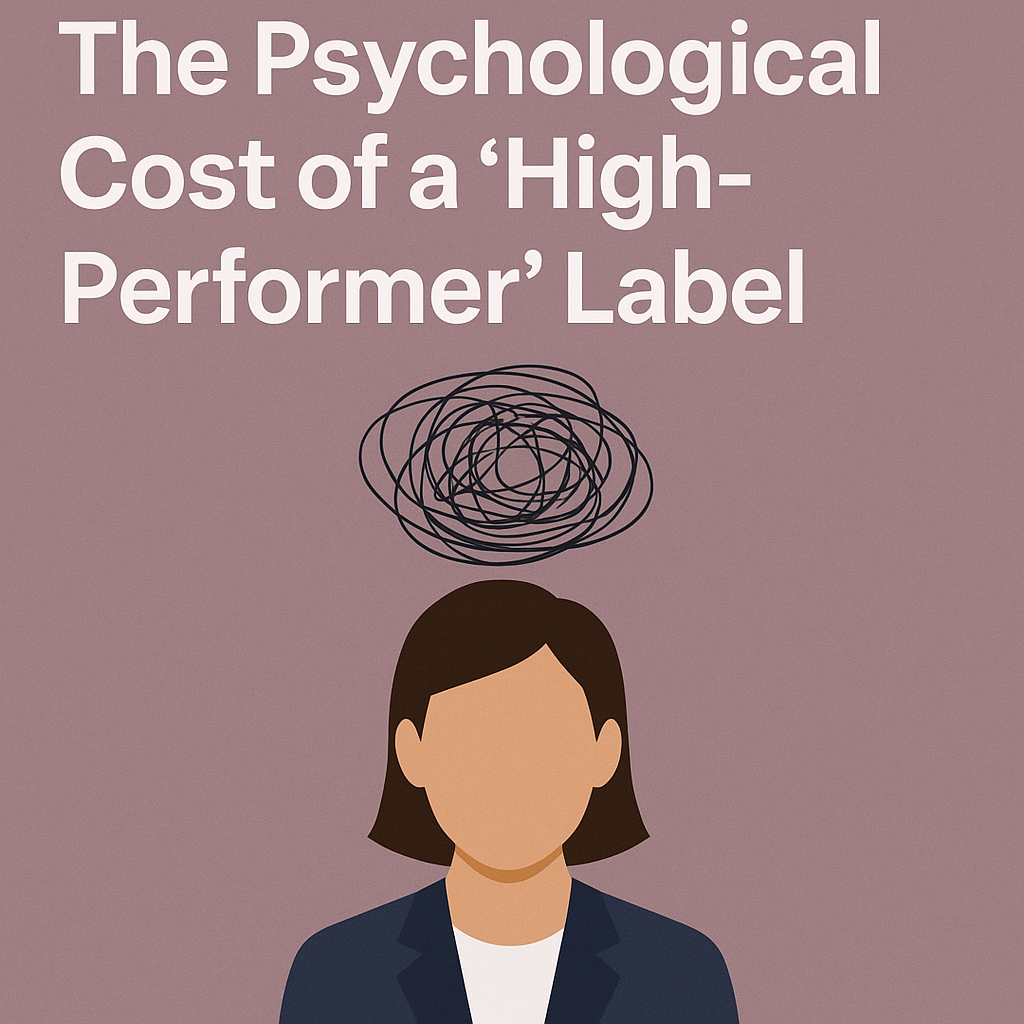
Being called a “high performer” sounds like a badge of honor. It signals excellence, consistency, and reliability. But behind the applause often lies a quieter truth—many high performers silently carry the weight of unrealistic expectations, burnout, and emotional exhaustion.
When someone is consistently praised as the best, there’s an unspoken pressure to never falter. Even on bad days, they feel the need to over-deliver. This leads to a cycle where they’re reluctant to ask for help, take breaks, or admit struggles—because doing so might “disappoint” those who count on them.
Over time, the label becomes a trap. Instead of motivating, it isolates. These individuals start feeling like they can’t be human—they have to be superhuman. And the cost? Increased anxiety, imposter syndrome, deteriorating mental health, and in many cases, a slow detachment from their own passions and well-being.
As HR leaders and managers, we must revisit how we define and support performance. Praise should never come at the cost of pressure. Creating space for vulnerability, encouraging breaks, and redefining “success” to include self-care can help high performers stay not just productive—but mentally present and emotionally healthy.
After all, the goal isn’t to have employees who burn the brightest. It’s to have employees who can shine sustainably.