


The concept of digital twins virtual replicas of physical assets has expanded from machines and buildings into the world of people. In HR, a digital twin of an employee could combine data on performance, skills, health metrics, and even workplace behavior to create a comprehensive virtual profile. Supporters argue that this innovation can revolutionize workforce planning, training, and productivity.
For example, companies could use digital twins to simulate how an employee might perform in a new role, predict burnout risks, or design personalized learning paths. This level of insight promises a more tailored employee experience and smarter decision-making for HR leaders.
But the promise comes with a warning. A system that tracks every movement, every click, or even biometric data raises serious privacy and ethics concerns. Employees may feel more like monitored data points than trusted team members. Without strict governance, transparency, and consent, digital twins could cross the line from innovation to surveillance.
The future of digital twins in HR depends on balance. Used responsibly, they can empower employees with insights into their own growth. Used carelessly, they risk eroding trust and damaging workplace culture. The question is not just can we build digital twins of employees, but should we and under what safeguards?
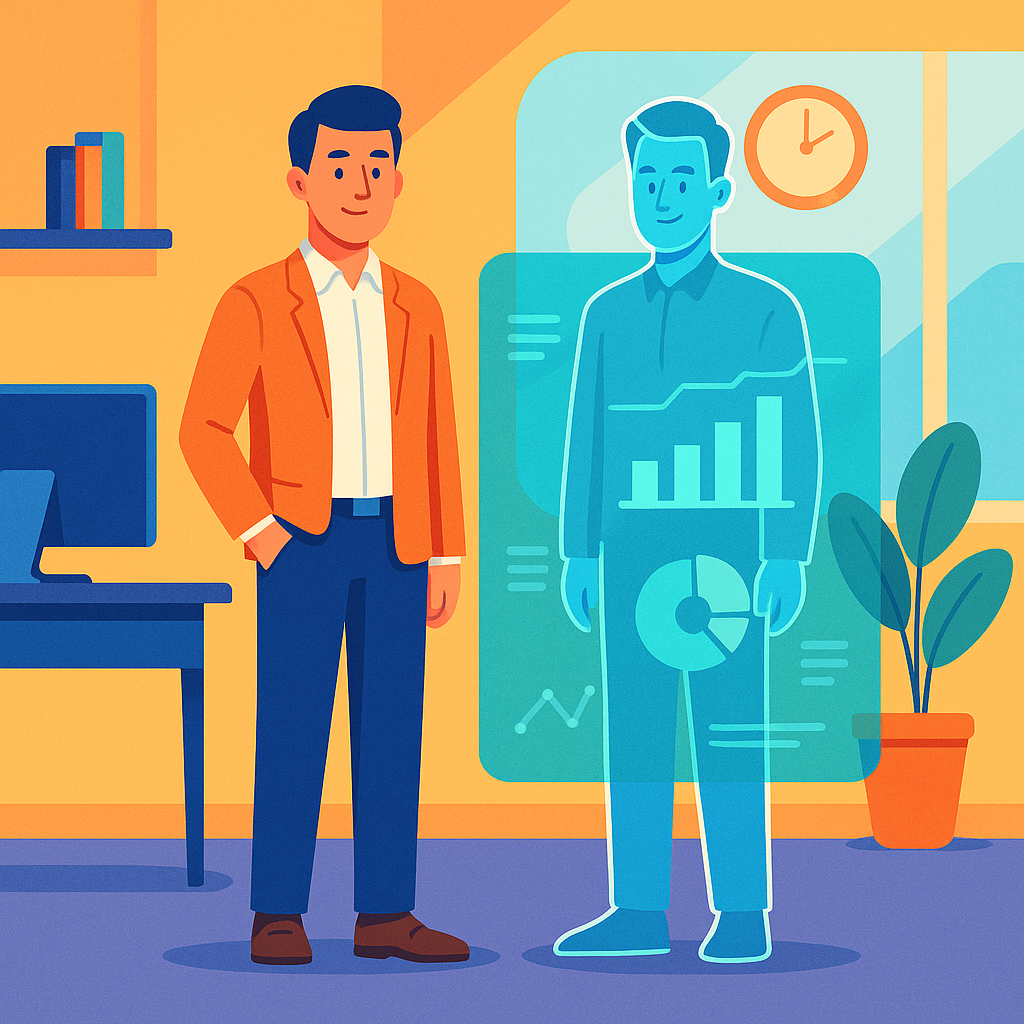
The concept of digital twins virtual replicas of physical assets has expanded from machines and buildings into the world of people. In HR, a digital twin of an employee could combine data on performance, skills, health metrics, and even workplace behavior to create a comprehensive virtual profile. Supporters argue that this innovation can revolutionize workforce planning, training, and productivity.
For example, companies could use digital twins to simulate how an employee might perform in a new role, predict burnout risks, or design personalized learning paths. This level of insight promises a more tailored employee experience and smarter decision-making for HR leaders.
But the promise comes with a warning. A system that tracks every movement, every click, or even biometric data raises serious privacy and ethics concerns. Employees may feel more like monitored data points than trusted team members. Without strict governance, transparency, and consent, digital twins could cross the line from innovation to surveillance.
The future of digital twins in HR depends on balance. Used responsibly, they can empower employees with insights into their own growth. Used carelessly, they risk eroding trust and damaging workplace culture. The question is not just can we build digital twins of employees, but should we and under what safeguards?