


In recent years, diversity and inclusion have become top priorities for organizations worldwide. But too often, companies treat diversity as a numbers game meeting quotas to appear inclusive rather than creating meaningful, lasting change. This approach might tick boxes but fails to address deeper cultural transformation.
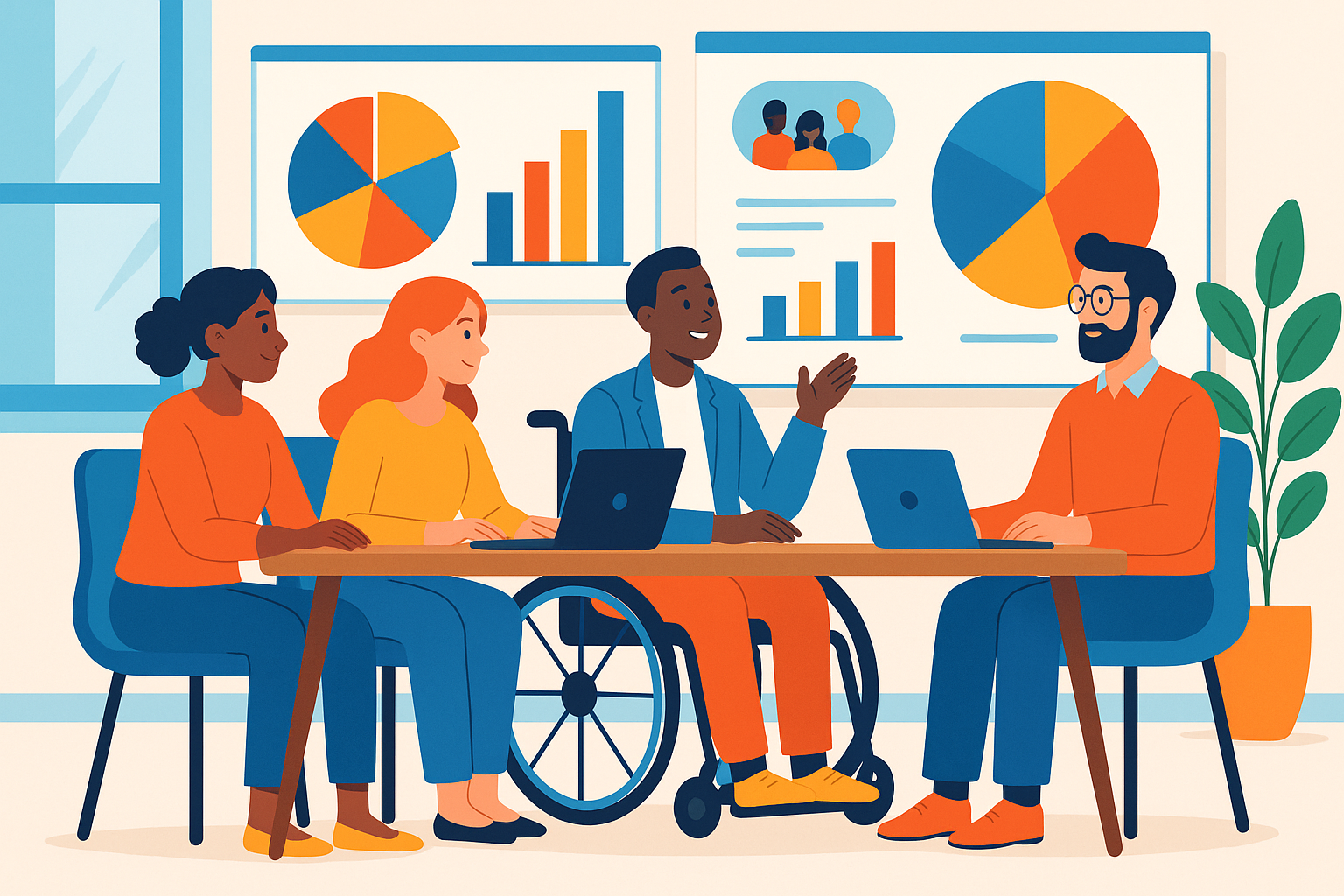
Data-driven diversity takes the conversation further. By analyzing hiring pipelines, promotion rates, employee engagement, and attrition trends, HR leaders can uncover where true inequalities exist. For example, are women being hired but not promoted? Are certain communities represented at entry-level but not leadership roles? Data allows HR to measure real impact, not just representation.
When combined with employee feedback, advanced analytics can highlight barriers like biased job descriptions, pay inequities, or even microaggressions at the workplace. Instead of celebrating numbers, organizations can focus on actionable insights that build equity and belonging.
The future of HR is not just in meeting quotas but in designing a workplace where diversity is sustainable and meaningful. Companies that use data wisely can transform diversity from a compliance checklist into a driver of innovation, trust, and long-term success.
In recent years, diversity and inclusion have become top priorities for organizations worldwide. But too often, companies treat diversity as a numbers game meeting quotas to appear inclusive rather than creating meaningful, lasting change. This approach might tick boxes but fails to address deeper cultural transformation.
Data-driven diversity takes the conversation further. By analyzing hiring pipelines, promotion rates, employee engagement, and attrition trends, HR leaders can uncover where true inequalities exist. For example, are women being hired but not promoted? Are certain communities represented at entry-level but not leadership roles? Data allows HR to measure real impact, not just representation.
When combined with employee feedback, advanced analytics can highlight barriers like biased job descriptions, pay inequities, or even microaggressions at the workplace. Instead of celebrating numbers, organizations can focus on actionable insights that build equity and belonging.
The future of HR is not just in meeting quotas but in designing a workplace where diversity is sustainable and meaningful. Companies that use data wisely can transform diversity from a compliance checklist into a driver of innovation, trust, and long-term success.