


AI and algorithms are transforming recruitment. From scanning résumés to ranking candidates, algorithmic hiring promises efficiency, reduced bias, and data-driven decisions. But as HR leans into automation, a pressing question emerges: Is algorithmic hiring truly fair or does it risk amplifying the very biases it’s meant to remove?
On one hand, algorithms can process applications at scale, remove subjective “gut feelings,” and highlight talent based on skills instead of personal details. This can help reduce human bias in areas such as gender, race, or age. However, algorithms are only as objective as the data they are trained on. If past hiring data reflects biased decisions, the algorithm can unintentionally replicate and reinforce those biases.
The ethical concerns go deeper candidates may not even know how they are being evaluated. Lack of transparency makes it difficult for applicants to trust the process. For HR leaders, relying solely on automated systems risks dehumanizing recruitment, turning people into data points rather than individuals with unique potential.
The future of ethical algorithmic hiring lies in balance. HR must ensure transparency in how algorithms are used, regularly audit tools for bias, and always include a human element in final decisions. Technology should guide decisions, not replace empathy. When used responsibly, algorithms can enhance fairness and efficiency but they must never replace the accountability of human judgment.
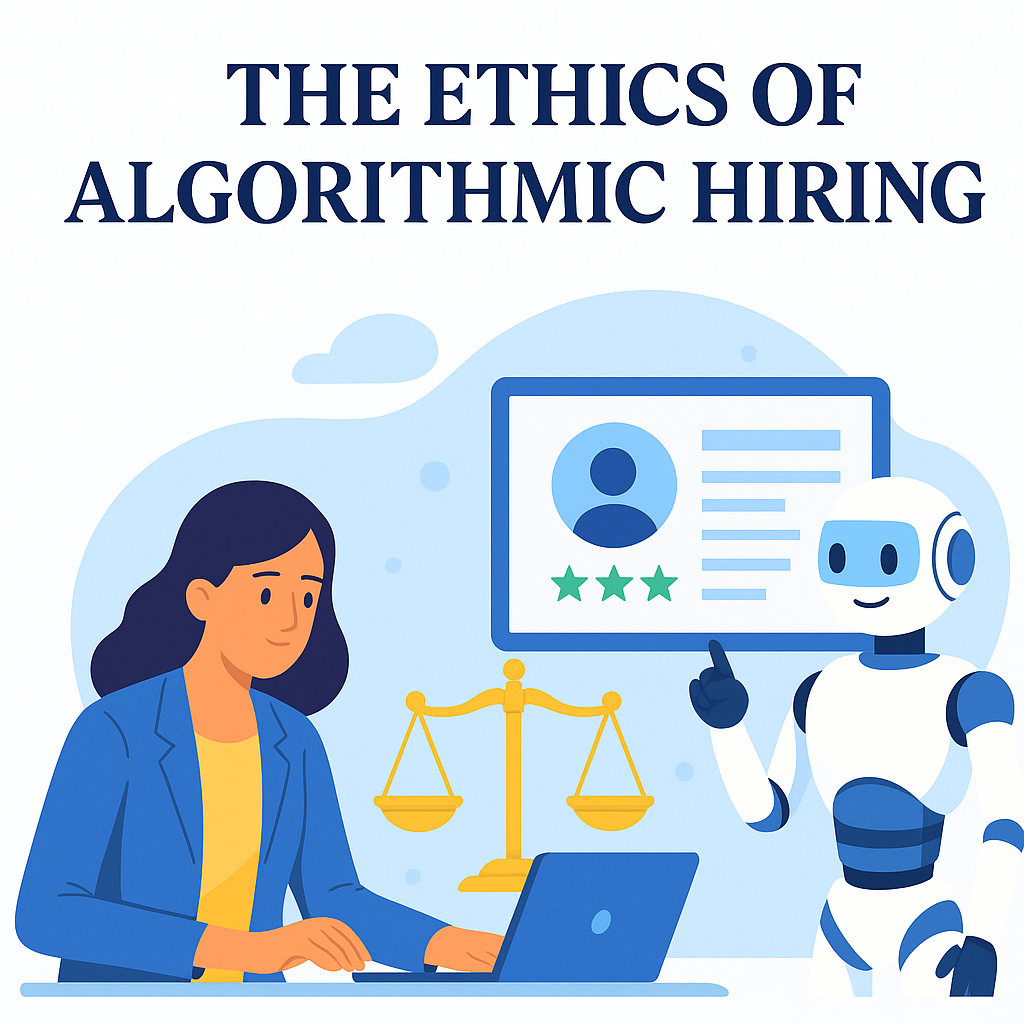
AI and algorithms are transforming recruitment. From scanning résumés to ranking candidates, algorithmic hiring promises efficiency, reduced bias, and data-driven decisions. But as HR leans into automation, a pressing question emerges: Is algorithmic hiring truly fair or does it risk amplifying the very biases it’s meant to remove?
On one hand, algorithms can process applications at scale, remove subjective “gut feelings,” and highlight talent based on skills instead of personal details. This can help reduce human bias in areas such as gender, race, or age. However, algorithms are only as objective as the data they are trained on. If past hiring data reflects biased decisions, the algorithm can unintentionally replicate and reinforce those biases.
The ethical concerns go deeper candidates may not even know how they are being evaluated. Lack of transparency makes it difficult for applicants to trust the process. For HR leaders, relying solely on automated systems risks dehumanizing recruitment, turning people into data points rather than individuals with unique potential.
The future of ethical algorithmic hiring lies in balance. HR must ensure transparency in how algorithms are used, regularly audit tools for bias, and always include a human element in final decisions. Technology should guide decisions, not replace empathy. When used responsibly, algorithms can enhance fairness and efficiency but they must never replace the accountability of human judgment.