


Employee surveys, suggestion boxes, and one on one check ins have become common in many workplaces. But what happens when the feedback employees share goes nowhere? Ignoring employee feedback is more than just a missed opportunity it carries hidden costs that can erode trust, morale, and retention over time.
When employees feel unheard, disengagement starts to creep in. Why speak up if no one is listening? This silence leads to a culture where innovation is stifled, problems go unaddressed, and employees emotionally distance themselves from the organization. The result? Higher turnover, lower productivity, and a reputation that makes it harder to attract top talent.
Beyond the cultural damage, ignoring feedback creates financial risks. Replacing disengaged employees is expensive, and the loss of institutional knowledge can slow growth. On the flip side, acting on feedback whether it’s improving processes, enhancing benefits, or simply acknowledging employee concerns shows respect and builds loyalty.
For HR leaders, the lesson is clear: feedback isn’t a formality, it’s a responsibility. Collecting it is only the first step—acting on it is what truly counts. When employees see their voices shape decisions, they don’t just feel valued they become active partners in building the company’s success.
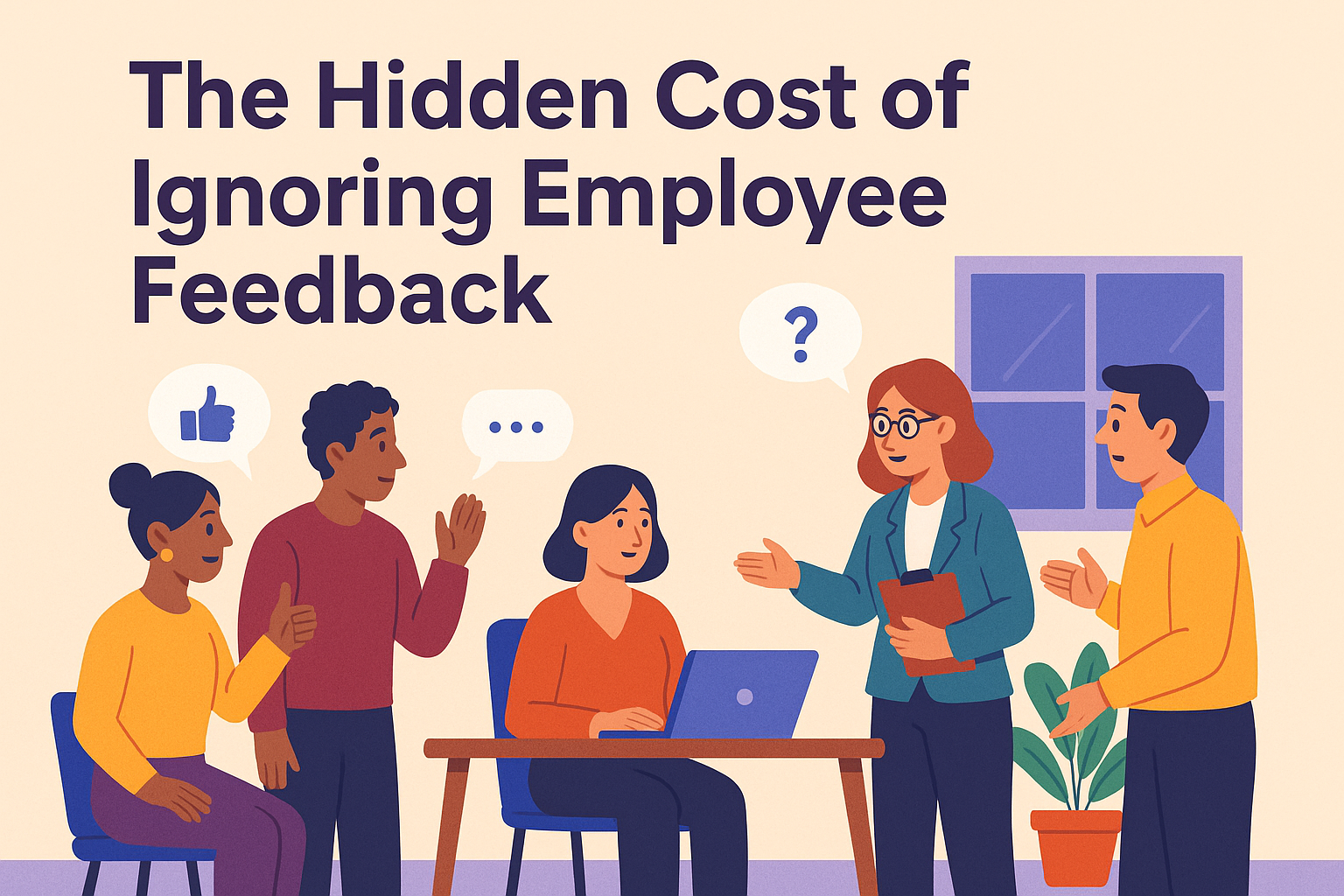
Employee surveys, suggestion boxes, and one on one check ins have become common in many workplaces. But what happens when the feedback employees share goes nowhere? Ignoring employee feedback is more than just a missed opportunity it carries hidden costs that can erode trust, morale, and retention over time.
When employees feel unheard, disengagement starts to creep in. Why speak up if no one is listening? This silence leads to a culture where innovation is stifled, problems go unaddressed, and employees emotionally distance themselves from the organization. The result? Higher turnover, lower productivity, and a reputation that makes it harder to attract top talent.
Beyond the cultural damage, ignoring feedback creates financial risks. Replacing disengaged employees is expensive, and the loss of institutional knowledge can slow growth. On the flip side, acting on feedback whether it’s improving processes, enhancing benefits, or simply acknowledging employee concerns shows respect and builds loyalty.
For HR leaders, the lesson is clear: feedback isn’t a formality, it’s a responsibility. Collecting it is only the first step—acting on it is what truly counts. When employees see their voices shape decisions, they don’t just feel valued they become active partners in building the company’s success.