


In the world of spreadsheets, payroll systems, and performance metrics, efficiency in HR is often celebrated. But here’s a wake-up call: being efficient doesn’t always mean being effective especially when it comes to people.
Many HR departments pride themselves on fast onboarding, timely appraisals, and flawless documentation. But emotional intelligence (EI) in HR goes beyond checklists. It’s about reading between the lines of a resignation email, recognizing burnout before it explodes, and knowing how to speak to a grieving employee without quoting policy.
An emotionally intelligent HR team practices empathy, active listening, and understands the human side of work. They don’t just resolve conflicts they prevent them. They don’t just manage exits they build trust so fewer exits happen. In today’s evolving workplace, emotional intelligence is not an accessory it’s a necessity.
So ask yourself: is your HR department just efficient on paper, or is it building real emotional bridges across the organization? Because in the long run, retention, culture, and growth are powered less by systems and more by sensitivity.
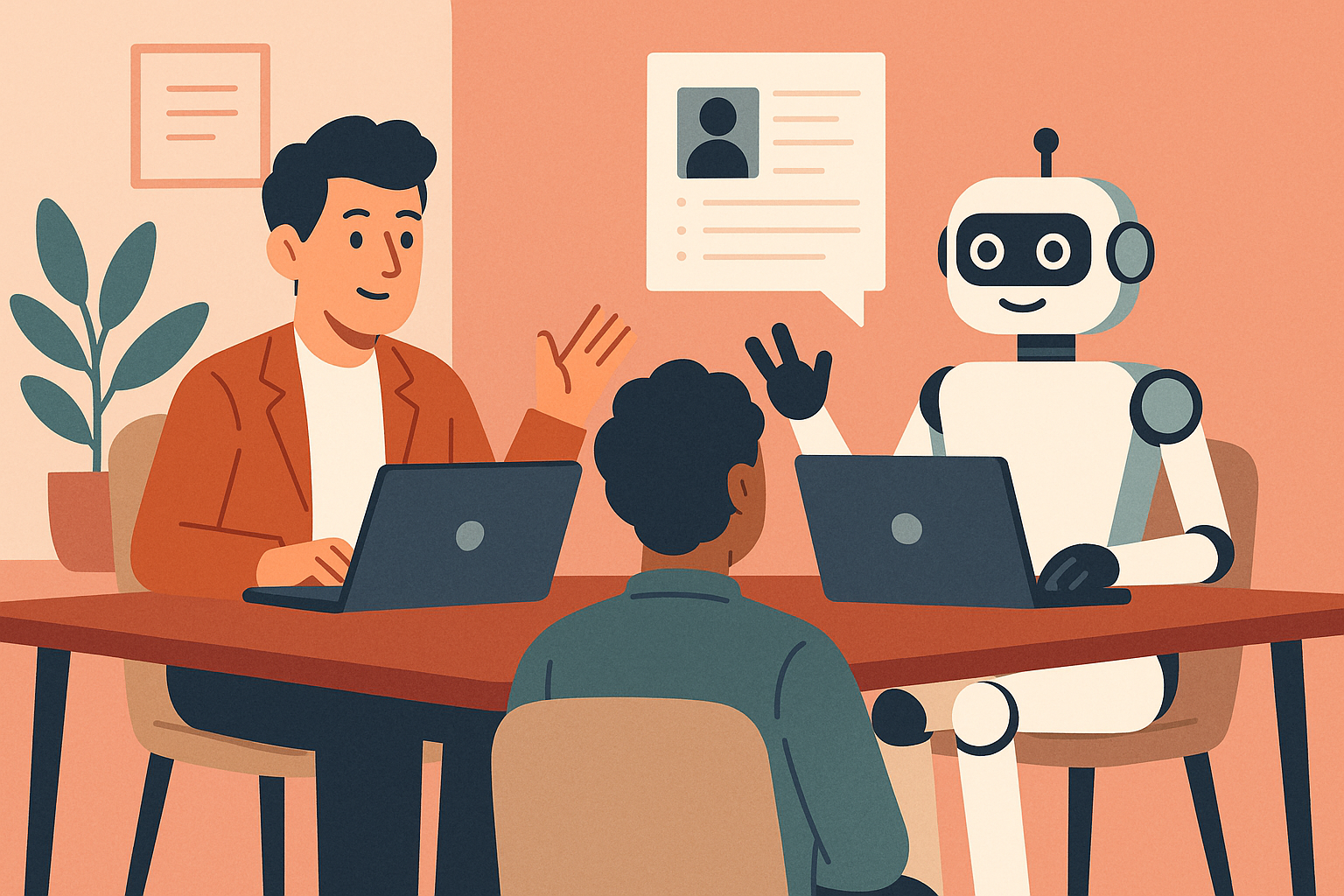
In the world of spreadsheets, payroll systems, and performance metrics, efficiency in HR is often celebrated. But here’s a wake-up call: being efficient doesn’t always mean being effective especially when it comes to people.
Many HR departments pride themselves on fast onboarding, timely appraisals, and flawless documentation. But emotional intelligence (EI) in HR goes beyond checklists. It’s about reading between the lines of a resignation email, recognizing burnout before it explodes, and knowing how to speak to a grieving employee without quoting policy.
An emotionally intelligent HR team practices empathy, active listening, and understands the human side of work. They don’t just resolve conflicts they prevent them. They don’t just manage exits they build trust so fewer exits happen. In today’s evolving workplace, emotional intelligence is not an accessory it’s a necessity.
So ask yourself: is your HR department just efficient on paper, or is it building real emotional bridges across the organization? Because in the long run, retention, culture, and growth are powered less by systems and more by sensitivity.