


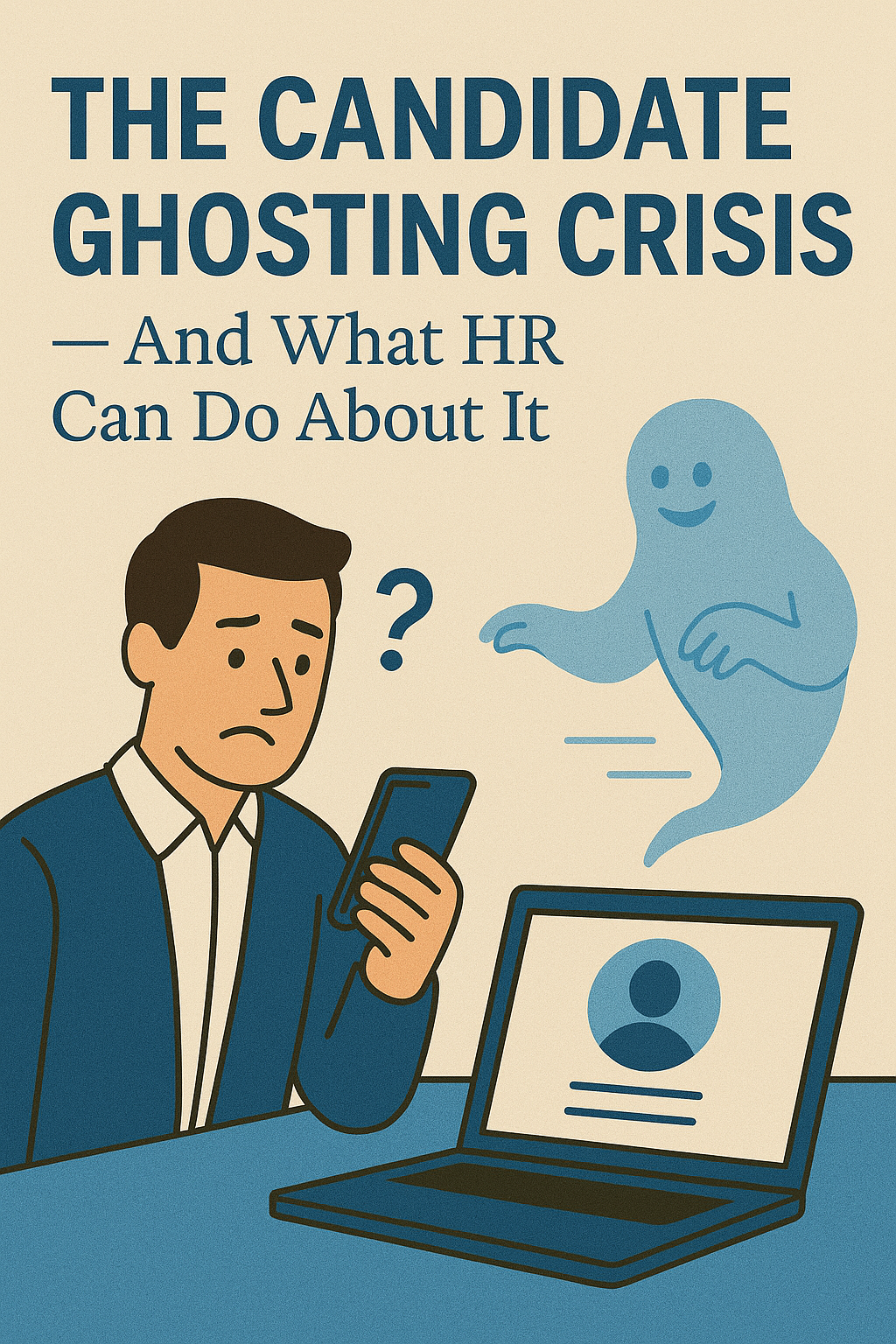
In today’s hiring landscape, HR professionals are facing a frustrating and increasingly common trend candidate ghosting. It’s the modern-day hiring mystery where applicants vanish into thin air: skipping interviews, not responding after receiving an offer, or worse, disappearing entirely after accepting the job. This isn’t just an occasional headache it’s turning into a full blown crisis, costing companies time, resources, and credibility.
So why is candidate ghosting on the rise? One key factor is the current job market dynamic. With a surplus of openings and fierce competition for top talent, candidates feel more empowered than ever. They’re juggling multiple offers, navigating recruiter outreach daily, and prioritizing speed and convenience. In many cases, candidates are choosing not to respond rather than saying “no,” either due to discomfort or simply because they’ve moved on to a better opportunity.
But ghosting isn’t just about candidates behaving badly. It’s also a reflection of how companies treat the hiring process. For years, applicants have experienced ghosting from employers unanswered applications, no updates after interviews, and unclear timelines. Now, as the tables have turned, candidates are mimicking the same behavior. It’s a signal that the hiring experience needs to evolve into a more respectful, transparent two-way street.
To combat this trend, HR must first work on building authentic relationships from the very first touchpoint. This means clear communication, timely feedback, and setting expectations early. Let candidates know the process timeline and who their point of contact is. Personalizing communication even with templated messages goes a long way in making candidates feel valued and respected.
Speed is also essential. In a market where great candidates are off the table within days, a slow or disorganized recruitment process invites dropouts. Streamlining your application to offer timeline and reducing delays between rounds can significantly reduce the chances of ghosting. Candidates are more likely to stay committed when they feel momentum and engagement from your side.
Another powerful solution lies in creating a strong employer brand. When your company culture is transparent, your values are clear, and your employees speak positively about the organization, candidates are more likely to take your offer seriously. A strong brand builds emotional connection and people are less likely to ghost someone they feel connected to.
Post-offer engagement is just as critical. Once a candidate accepts the job, don’t go silent. Stay in touch during the notice period with welcome messages, preboarding resources, or team introductions. The longer the silence, the more time they have to reconsider or get swayed by other offers.
In conclusion, ghosting may never disappear completely, but HR can reduce its frequency by rethinking how they engage with talent. It’s time to humanize the hiring process, build genuine relationships, and create an experience where candidates don’t just apply they commit. Because in the end, the best way to stop ghosting is to stop treating people like transactions and start treating them like teammates from the start.
In today’s hiring landscape, HR professionals are facing a frustrating and increasingly common trend candidate ghosting. It’s the modern-day hiring mystery where applicants vanish into thin air: skipping interviews, not responding after receiving an offer, or worse, disappearing entirely after accepting the job. This isn’t just an occasional headache it’s turning into a full blown crisis, costing companies time, resources, and credibility.
So why is candidate ghosting on the rise? One key factor is the current job market dynamic. With a surplus of openings and fierce competition for top talent, candidates feel more empowered than ever. They’re juggling multiple offers, navigating recruiter outreach daily, and prioritizing speed and convenience. In many cases, candidates are choosing not to respond rather than saying “no,” either due to discomfort or simply because they’ve moved on to a better opportunity.
But ghosting isn’t just about candidates behaving badly. It’s also a reflection of how companies treat the hiring process. For years, applicants have experienced ghosting from employers unanswered applications, no updates after interviews, and unclear timelines. Now, as the tables have turned, candidates are mimicking the same behavior. It’s a signal that the hiring experience needs to evolve into a more respectful, transparent two-way street.
To combat this trend, HR must first work on building authentic relationships from the very first touchpoint. This means clear communication, timely feedback, and setting expectations early. Let candidates know the process timeline and who their point of contact is. Personalizing communication even with templated messages goes a long way in making candidates feel valued and respected.
Speed is also essential. In a market where great candidates are off the table within days, a slow or disorganized recruitment process invites dropouts. Streamlining your application to offer timeline and reducing delays between rounds can significantly reduce the chances of ghosting. Candidates are more likely to stay committed when they feel momentum and engagement from your side.
Another powerful solution lies in creating a strong employer brand. When your company culture is transparent, your values are clear, and your employees speak positively about the organization, candidates are more likely to take your offer seriously. A strong brand builds emotional connection and people are less likely to ghost someone they feel connected to.
Post-offer engagement is just as critical. Once a candidate accepts the job, don’t go silent. Stay in touch during the notice period with welcome messages, preboarding resources, or team introductions. The longer the silence, the more time they have to reconsider or get swayed by other offers.
In conclusion, ghosting may never disappear completely, but HR can reduce its frequency by rethinking how they engage with talent. It’s time to humanize the hiring process, build genuine relationships, and create an experience where candidates don’t just apply they commit. Because in the end, the best way to stop ghosting is to stop treating people like transactions and start treating them like teammates from the start.