


In today’s fast-evolving workplace culture, office aesthetics are no longer just about good looks—they’re about psychology, productivity, and brand identity. The physical environment in which employees operate has a powerful impact on their mindset, mood, and performance. A dull, cluttered, or poorly lit space can make even the most enthusiastic employees feel disengaged or creatively stifled, while a clean, thoughtfully designed, and visually appealing workspace can significantly elevate energy levels and encourage deeper focus. It’s not just about having pretty walls or a few fancy chairs; it’s about creating a holistic ecosystem that communicates care, professionalism, and innovation. From the color of the walls to the texture of furniture, the amount of natural light, the presence of indoor plants, and the layout of desks all of it plays a part in shaping daily employee experience.
Companies often underestimate how aesthetics can influence intangible elements like motivation, collaboration, and employee well-being. Studies have shown that the right colors can reduce anxiety and improve cognitive function, while open layouts with designated creative zones can boost brainstorming and teamwork. Office design also has the potential to reflect company values whether it’s sustainability through eco-friendly furniture, inclusivity through accessible design, or creativity through bold artistic elements. Moreover, aesthetically pleasing offices tend to leave a lasting impression on visiting clients, potential hires, and collaborators, subtly signaling that the company is modern, dynamic, and mindful of its culture.
In an era where workplace satisfaction and employee retention are key metrics of success, investing in office aesthetics is a strategic decision. It’s about showing employees that their environment is valued, that their comfort and inspiration matter. It’s also a way to support mental wellness people spend a third of their lives at work, and the physical setting deeply affects how they feel about showing up every day. As remote work becomes more flexible and hybrid models evolve, offices need to be reimagined as hubs of inspiration rather than rigid, lifeless structures. The future of workspaces lies in balance functionality paired with beauty, efficiency fused with warmth. Ultimately, the aesthetics of your office speak even when no one is talking. And what they say can define the emotional heartbeat of your entire company.
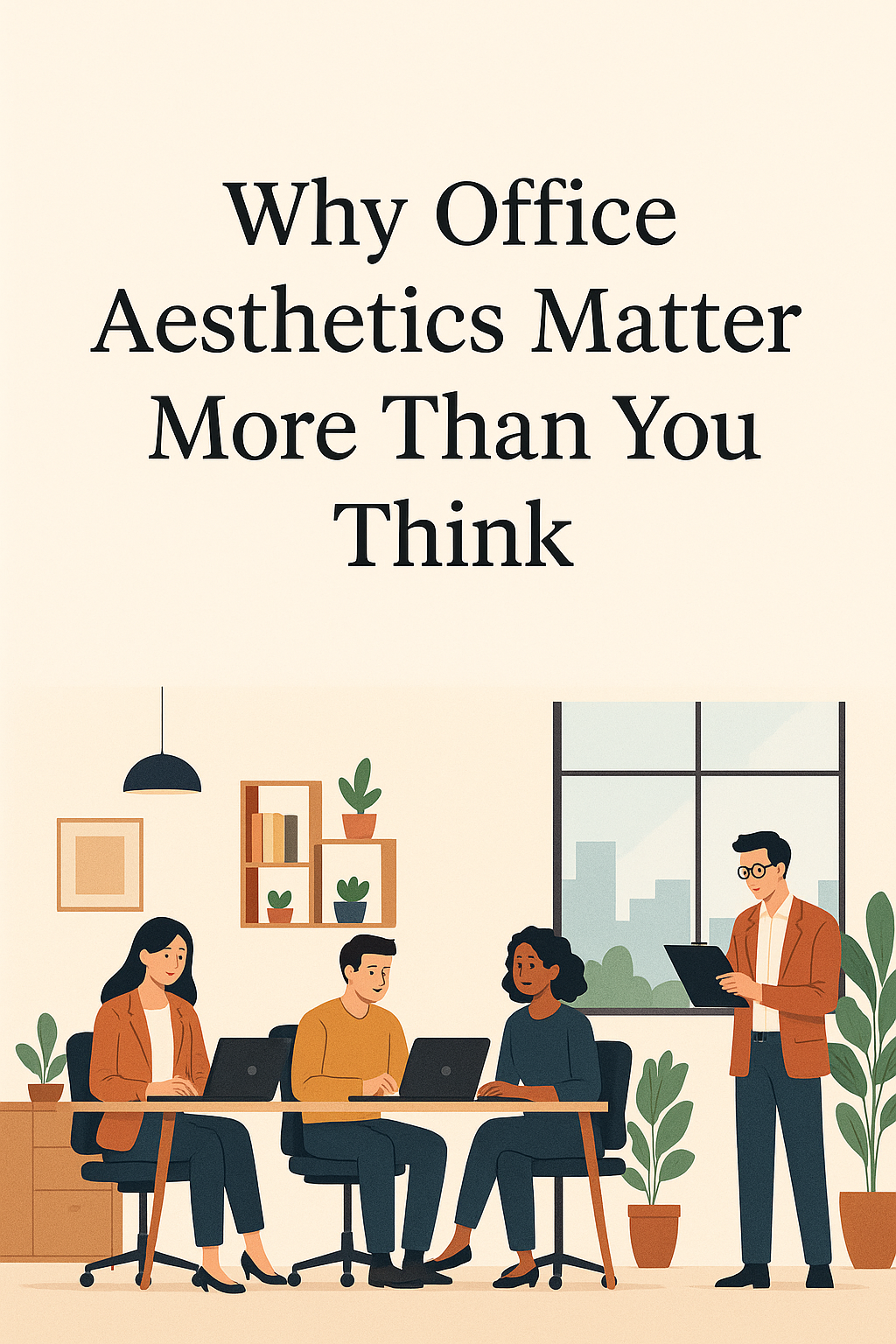
In today’s fast-evolving workplace culture, office aesthetics are no longer just about good looks—they’re about psychology, productivity, and brand identity. The physical environment in which employees operate has a powerful impact on their mindset, mood, and performance. A dull, cluttered, or poorly lit space can make even the most enthusiastic employees feel disengaged or creatively stifled, while a clean, thoughtfully designed, and visually appealing workspace can significantly elevate energy levels and encourage deeper focus. It’s not just about having pretty walls or a few fancy chairs; it’s about creating a holistic ecosystem that communicates care, professionalism, and innovation. From the color of the walls to the texture of furniture, the amount of natural light, the presence of indoor plants, and the layout of desks all of it plays a part in shaping daily employee experience.
Companies often underestimate how aesthetics can influence intangible elements like motivation, collaboration, and employee well-being. Studies have shown that the right colors can reduce anxiety and improve cognitive function, while open layouts with designated creative zones can boost brainstorming and teamwork. Office design also has the potential to reflect company values whether it’s sustainability through eco-friendly furniture, inclusivity through accessible design, or creativity through bold artistic elements. Moreover, aesthetically pleasing offices tend to leave a lasting impression on visiting clients, potential hires, and collaborators, subtly signaling that the company is modern, dynamic, and mindful of its culture.
In an era where workplace satisfaction and employee retention are key metrics of success, investing in office aesthetics is a strategic decision. It’s about showing employees that their environment is valued, that their comfort and inspiration matter. It’s also a way to support mental wellness people spend a third of their lives at work, and the physical setting deeply affects how they feel about showing up every day. As remote work becomes more flexible and hybrid models evolve, offices need to be reimagined as hubs of inspiration rather than rigid, lifeless structures. The future of workspaces lies in balance functionality paired with beauty, efficiency fused with warmth. Ultimately, the aesthetics of your office speak even when no one is talking. And what they say can define the emotional heartbeat of your entire company.