


In today’s dynamic work environment, the concept of productivity is undergoing a major shift especially when it comes to working parents. Gone are the days when long hours and physical presence were the sole indicators of dedication. As more organizations embrace flexibility, it’s becoming increasingly clear that family-friendly cultures aren’t just employee perks they’re productivity drivers. When companies create space for parenting within professional life, they foster trust, loyalty, and a deeper emotional connection between employees and their workplace. That translates into better performance not just in the form of deliverables, but in long-term retention, leadership potential, and innovative thinking.
One of the biggest myths still lingering in corporate culture is that parenting responsibilities reduce focus and output. However, studies have shown the opposite. Parents, especially mothers returning to work post-maternity, often exhibit sharper time management skills, greater resilience, and a more empathetic leadership style. When organizations create policies such as hybrid work schedules, paid parental leave, or even small gestures like flexible sign in hours or child care support, they send a clear message: “We see you as a whole person, not just a worker.” And that message fuels motivation.
Performance reviews in family-friendly environments also begin to evolve. Instead of rigid assessment formats that measure only output, modern reviews incorporate goal alignment, adaptive thinking, emotional intelligence, and the ability to collaborate under pressure qualities that parenting itself strengthens. A parent juggling work emails while helping with homework isn’t distracted they’re demonstrating multitasking, prioritization, and commitment. HR leaders who recognize and reflect this in appraisals build stronger, more inclusive performance systems that account for diverse life experiences.
Family-first workplace cultures also foster higher morale across teams. When one employee sees their colleague being respected for their parental role not sidelined they are more likely to trust the system and speak up for their own needs. This ripple effect creates a psychologically safe environment where performance is measured with empathy and support, not unrealistic expectations.
In conclusion, parenting and performance are not competing forces. With the right culture, they complement each other. HR departments and leadership must stop seeing family responsibilities as disruptions and instead view them as leadership training in disguise. After all, if an employee can manage bedtime meltdowns, missed school buses, and report deadlines in a single morning, they’re probably more than equipped to lead your next big project.
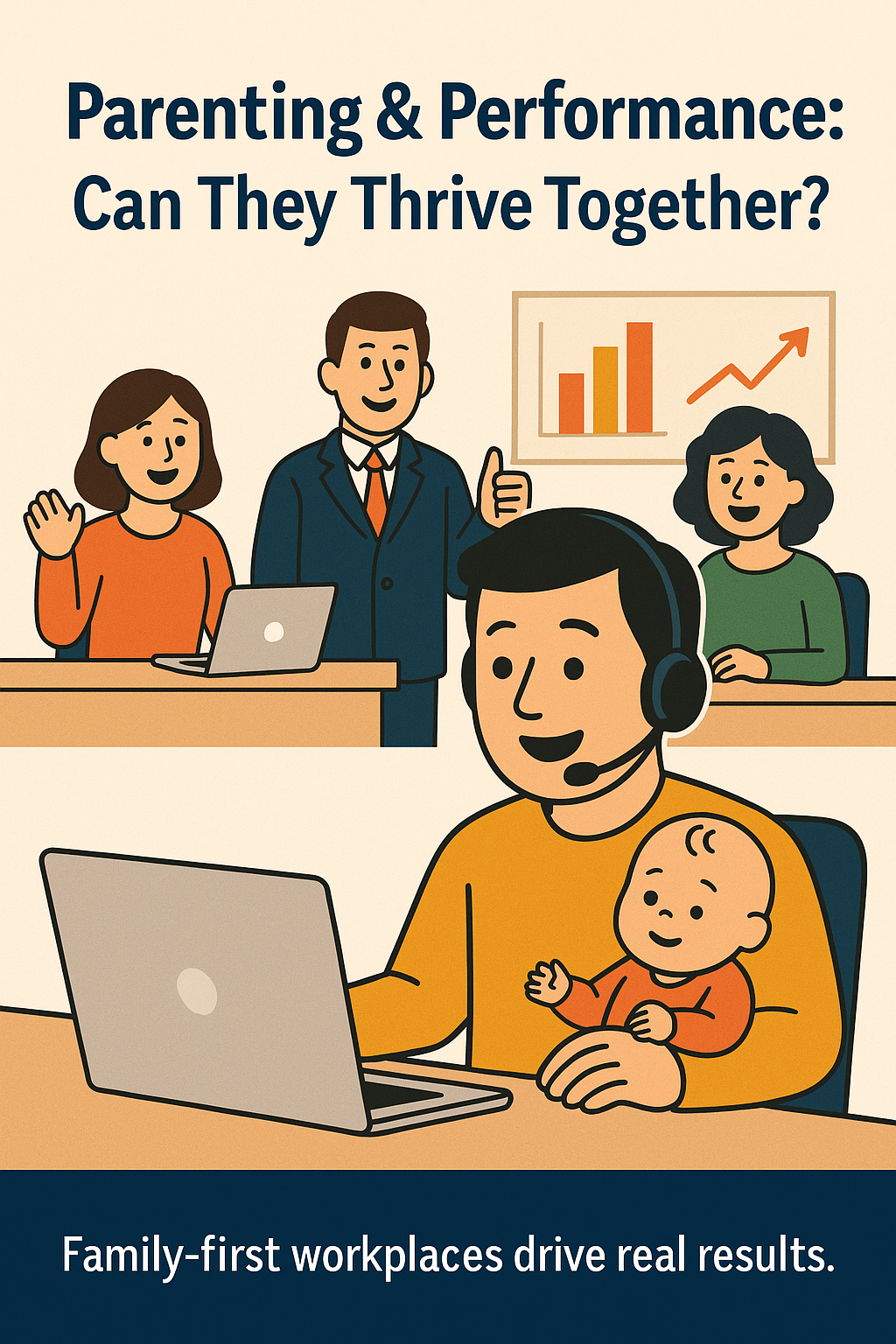
In today’s dynamic work environment, the concept of productivity is undergoing a major shift especially when it comes to working parents. Gone are the days when long hours and physical presence were the sole indicators of dedication. As more organizations embrace flexibility, it’s becoming increasingly clear that family-friendly cultures aren’t just employee perks they’re productivity drivers. When companies create space for parenting within professional life, they foster trust, loyalty, and a deeper emotional connection between employees and their workplace. That translates into better performance not just in the form of deliverables, but in long-term retention, leadership potential, and innovative thinking.
One of the biggest myths still lingering in corporate culture is that parenting responsibilities reduce focus and output. However, studies have shown the opposite. Parents, especially mothers returning to work post-maternity, often exhibit sharper time management skills, greater resilience, and a more empathetic leadership style. When organizations create policies such as hybrid work schedules, paid parental leave, or even small gestures like flexible sign in hours or child care support, they send a clear message: “We see you as a whole person, not just a worker.” And that message fuels motivation.
Performance reviews in family-friendly environments also begin to evolve. Instead of rigid assessment formats that measure only output, modern reviews incorporate goal alignment, adaptive thinking, emotional intelligence, and the ability to collaborate under pressure qualities that parenting itself strengthens. A parent juggling work emails while helping with homework isn’t distracted they’re demonstrating multitasking, prioritization, and commitment. HR leaders who recognize and reflect this in appraisals build stronger, more inclusive performance systems that account for diverse life experiences.
Family-first workplace cultures also foster higher morale across teams. When one employee sees their colleague being respected for their parental role not sidelined they are more likely to trust the system and speak up for their own needs. This ripple effect creates a psychologically safe environment where performance is measured with empathy and support, not unrealistic expectations.
In conclusion, parenting and performance are not competing forces. With the right culture, they complement each other. HR departments and leadership must stop seeing family responsibilities as disruptions and instead view them as leadership training in disguise. After all, if an employee can manage bedtime meltdowns, missed school buses, and report deadlines in a single morning, they’re probably more than equipped to lead your next big project.