


The rise of remote work has evolved into a broader, more powerful trend: Work From Anywhere (WFA). No longer restricted to home offices or co-working spaces, employees today seek the freedom to work from any city, state, or even continent. To attract and retain top talent in this era, HR leaders must rethink traditional frameworks and embrace location-agnostic policies.
Building such policies isn’t just about allowing flexibility it’s about ensuring fairness, productivity, and compliance across geographies. This starts with defining eligibility: who can truly work from anywhere based on their role, client-facing responsibilities, and time zone dependencies?
Next, companies must address salary structures. Should pay be adjusted based on location? Some firms use cost-of-living metrics, while others maintain uniform pay to promote equity and simplicity. Both have pros and cons what matters is transparency and consistency.
Then comes legal compliance. From labor laws and tax implications to data privacy rules, each region presents unique challenges. Partnering with global HR consultants or using Employer of Record (EOR) services can help businesses stay compliant while scaling globally.
Finally, WFA works best when supported by strong digital infrastructure and a culture that values outcomes over hours. Clear communication norms, async collaboration tools, and inclusive virtual engagement practices ensure remote employees aren’t left behind.
In the WFA era, HR isn’t just a policy maker it’s a strategic enabler of freedom, trust, and global opportunity. The future of work isn’t where you are it’s what you do.
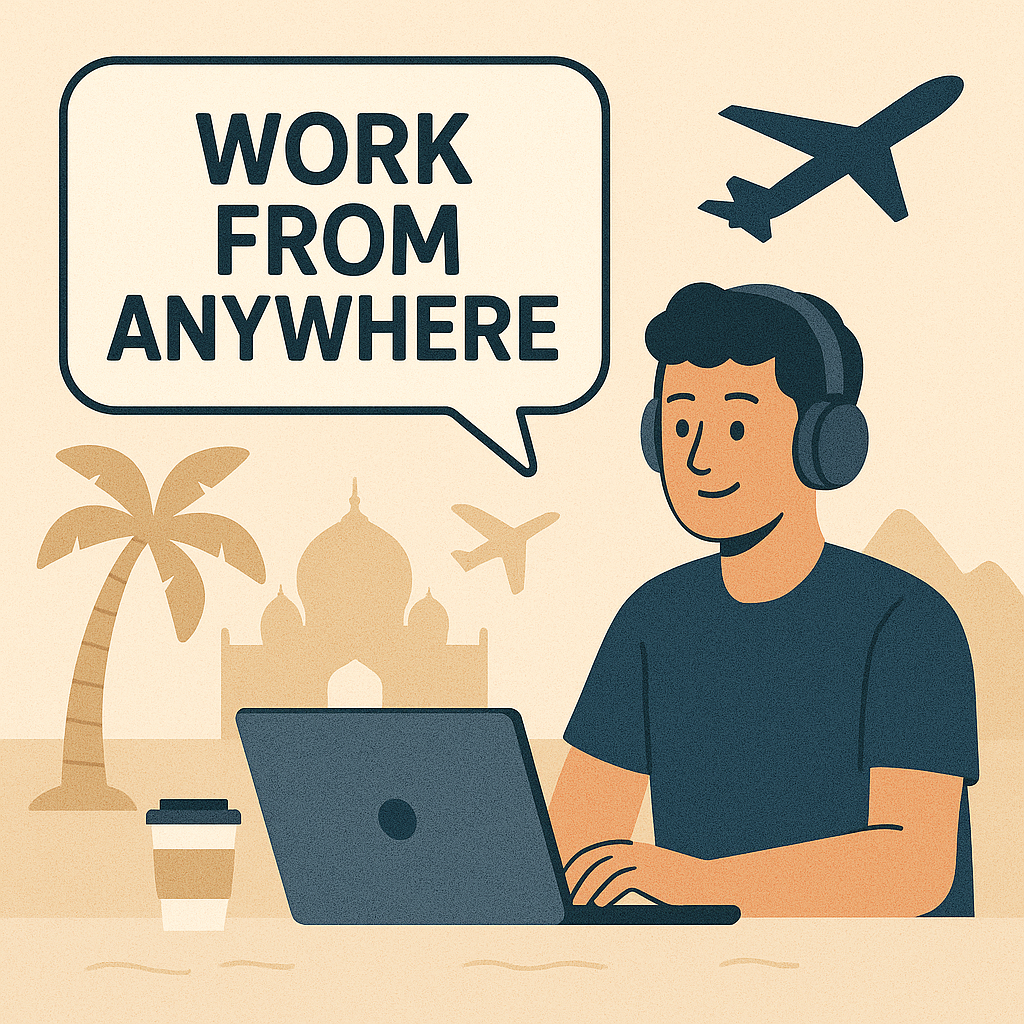
The rise of remote work has evolved into a broader, more powerful trend: Work From Anywhere (WFA). No longer restricted to home offices or co-working spaces, employees today seek the freedom to work from any city, state, or even continent. To attract and retain top talent in this era, HR leaders must rethink traditional frameworks and embrace location-agnostic policies.
Building such policies isn’t just about allowing flexibility it’s about ensuring fairness, productivity, and compliance across geographies. This starts with defining eligibility: who can truly work from anywhere based on their role, client-facing responsibilities, and time zone dependencies?
Next, companies must address salary structures. Should pay be adjusted based on location? Some firms use cost-of-living metrics, while others maintain uniform pay to promote equity and simplicity. Both have pros and cons what matters is transparency and consistency.
Then comes legal compliance. From labor laws and tax implications to data privacy rules, each region presents unique challenges. Partnering with global HR consultants or using Employer of Record (EOR) services can help businesses stay compliant while scaling globally.
Finally, WFA works best when supported by strong digital infrastructure and a culture that values outcomes over hours. Clear communication norms, async collaboration tools, and inclusive virtual engagement practices ensure remote employees aren’t left behind.
In the WFA era, HR isn’t just a policy maker it’s a strategic enabler of freedom, trust, and global opportunity. The future of work isn’t where you are it’s what you do.